
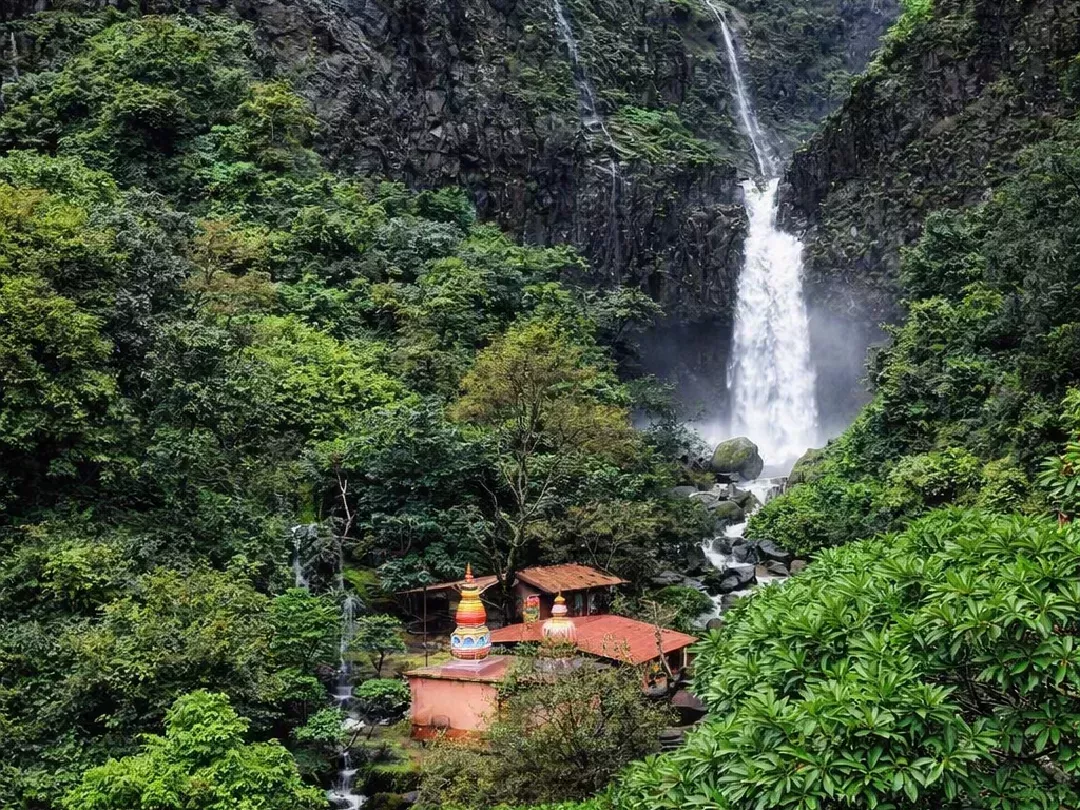
Karnataka has a way of easing you into faith. Not dramatically. Not with announcements. It just happens. You drive past forest stretches, rivers slow down beside you, a temple appears without warning, and suddenly the spiritual landscape of Karnataka feels less like an idea and more like something lived.
This is a state where worship has always shared space with daily life. The Karnataka spiritual heritage is not locked inside sanctums. It spills into food, language, travel habits, even how time is measured. The temple culture of Karnataka isn’t ornamental. It runs things. Roads, routines, economies, festivals. The role of temples in Karnataka culture is practical and emotional at the same time. That’s why religious tourism in Karnataka doesn’t feel staged. People come because they always have.
Among all this, two places quietly shape how spirituality works here. Sringeri Sharada Peetham and Dharmasthala Manjunatha Temple. With vastly different energies, but equally influential– they’re also conveniently close for guests at RiverMist Resorts, just about two hours away from both. Many of our 3-night and 4-night packages include these temples as part of the sightseeing itinerary, along with Horanadu because of this proximity advantage.
Understanding the Spiritual Landscape of Karnataka and Its Temple Traditions
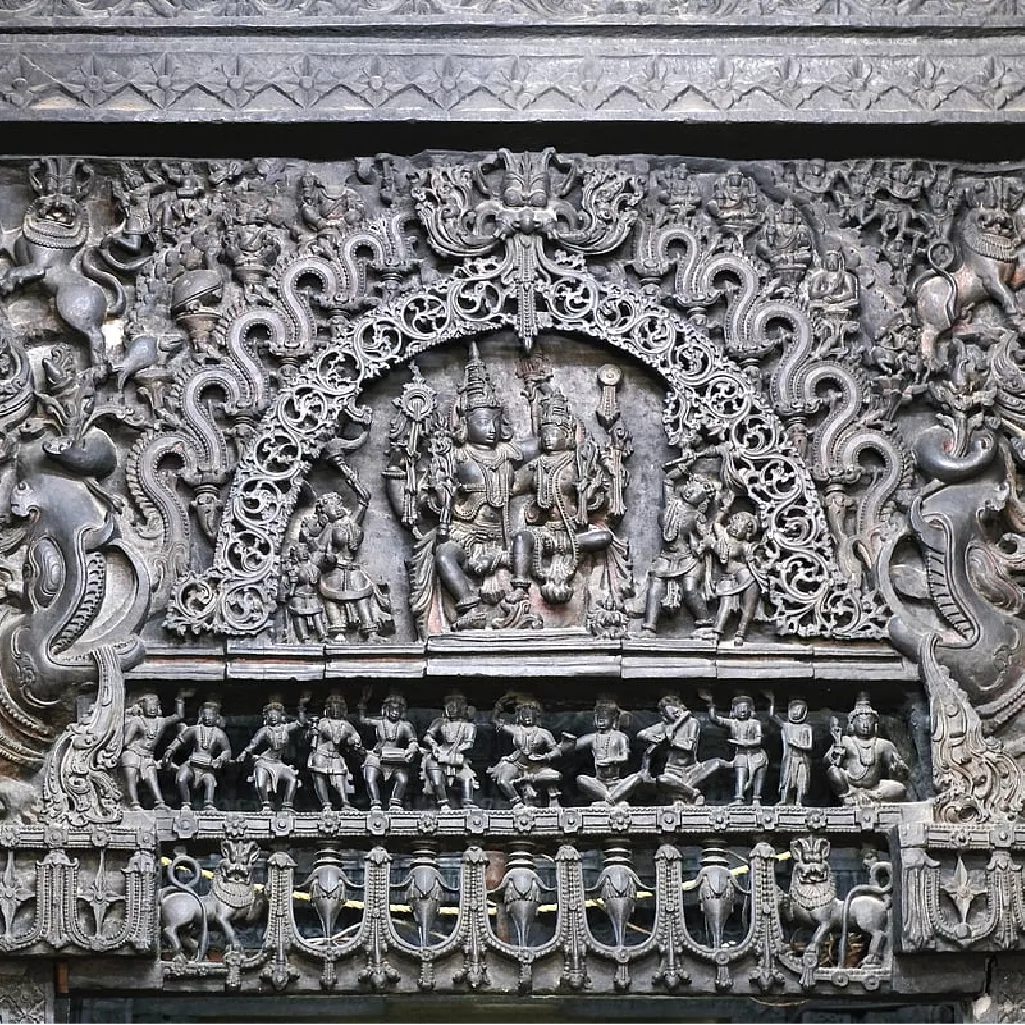
To understand the spiritual landscape of Karnataka, you have to stop thinking of temples as standalone monuments. They were never meant to be. Historically, temples here doubled as universities, courts, performance spaces, shelters. The Karnataka spiritual heritage was shaped as much by debate and art as by prayer.
Think of the stone precision at Belur Chennakeshava Temple or Halebidu Hoysaleswara Temple. Or the sheer scale of devotion and administration visible in Hampi. These weren’t quiet corners. They were social engines.
Pilgrimage stitched all this together. Routes formed organically. One temple led to another. Stories travelled with people. Smells of prasadam, bell sounds, dust on feet, shared meals. The temple culture of Karnataka turned belief into experience. Less doctrine. More participation.
Sringeri Temple History and Significance in Hindu Philosophy
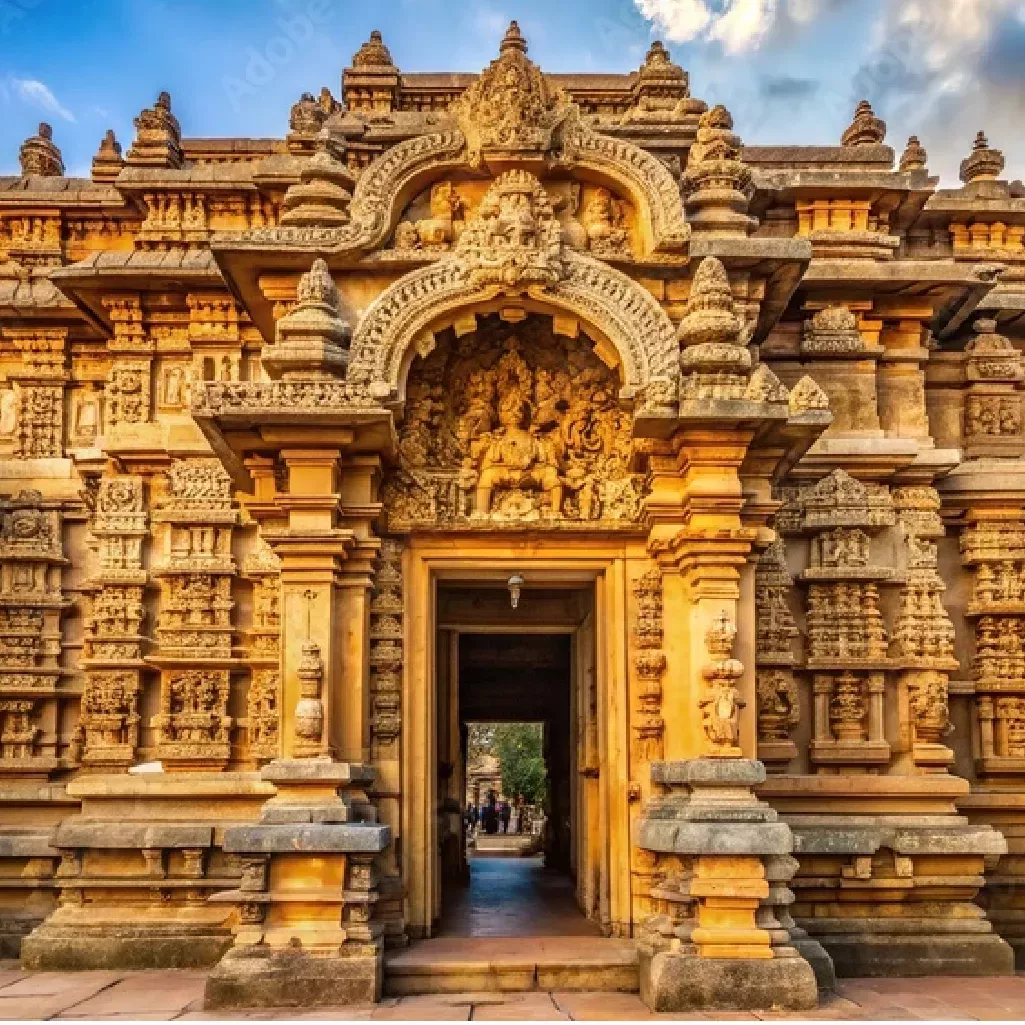
Sringeri sits quietly in the Western Ghats. Almost deliberately understated. The Sringeri temple’s history and significance begins in the 8th century when Adi Shankaracharya established it as a centre of Advaita Vedanta. Not power. Not a spectacle. Knowledge.
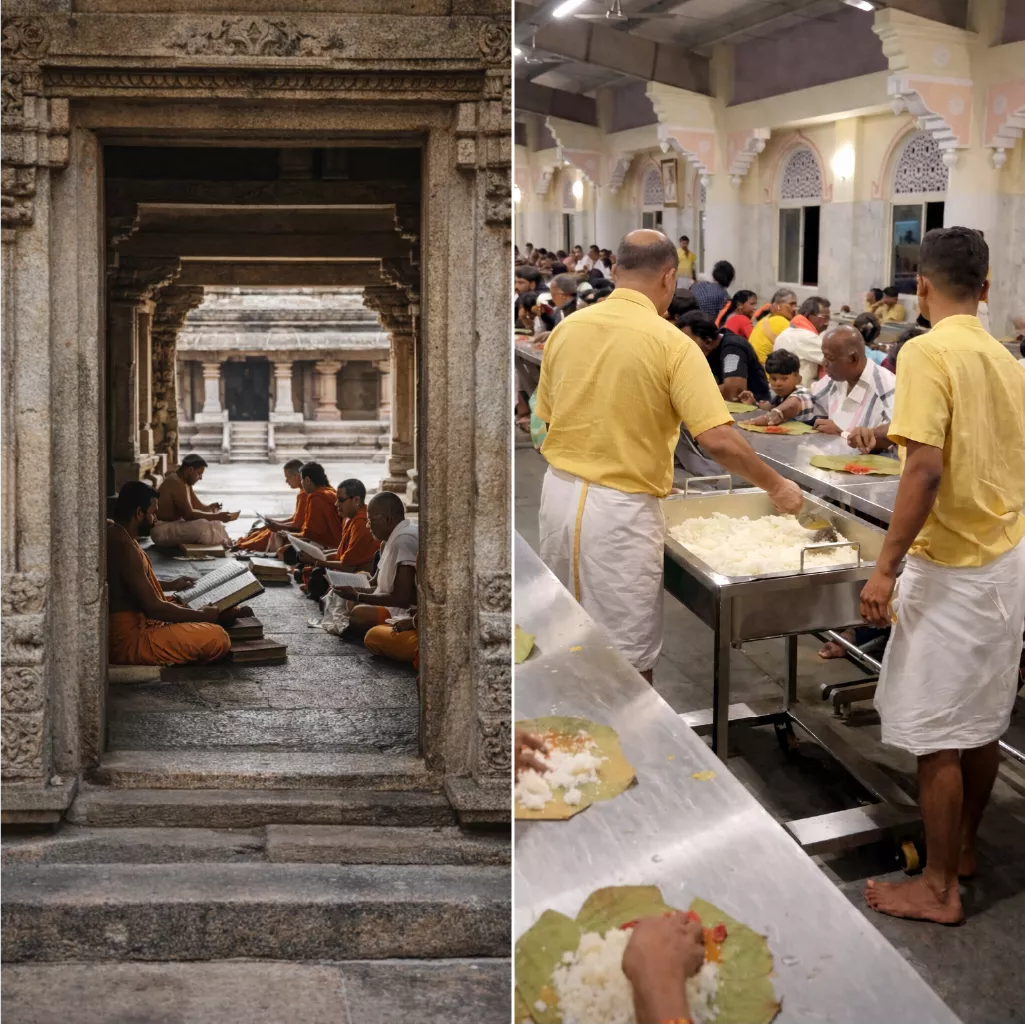
The Sringeri Sharada Peetham draws visitors for quiet reflection. Morning chants start around 5:30 AM, and darshan is typically open from 6 AM to 12 PM and 4 PM to 6 PM. Students sit with texts under trees. Priests perform rituals without performance. This is one of those Hindu pilgrimage sites in Karnataka where silence carries weight.
The place didn’t grow out of great festivities. It was the fulfillment of a visionary dream. In the 8th century, Adi Shankaracharya was still a young man who aimed to spread the sacred Vedic knowledge all over India. When he came to the Western Ghats, he was amazed to see rivers, hills and forests which were like nature’s own temples. So the holy place was born, a peetham, or a seat of learning, was founded there.
Sringeri Sharada Peetham is a place that has always been very quiet, thoughtful and patient in its pace. The goddess Sharada, who is the divine form of knowledge, is the guardian of this place. There are several stories around here: one of them says that when Shankaracharya put up the deity, a spring came out near the place, people say it was the goddess herself giving her blessing to the land. Students still come to this place to sit below the trees and read the manuscripts of old. The chanting in the mornings is gentle, like the wind through the leaves and not meant to show off.
During festivals like Navaratri, the town gets jam packed with pilgrims, but yet, Sringeri is a quiet town. The ceremonies, the debates, the meals that are shared, they all reflect ages of well-regulated thinking. Here is a Hindu pilgrimage place in Karnataka that educates you through its very existence. It is something that you realize not through talks but through the very pulse of life.
Dharmasthala Temple Spiritual Importance in Modern Karnataka
If Sringeri imparts philosophies and theories, Dharmasthala imparts work and deeds. Established approximately 800 years ago, with origins dating back to the early 14th century or earlier, the Dharmasthala temple’s spiritual importance lies in how visibly it serves. The Dharmasthala Manjunatha Temple is managed by the Dharmadhikari family, following Jain trusteeship while worshipping a Shaiva deity.
Long ago, a local king donated land to build a small shrine for Lord Manjunatha, the form of Shiva worshipped there. Later, the Dharmadhikari family assumed the temple’s care and turned it into a place where Jains could be trustees while at the same time Shaiva worship was practiced. This mixture might look like a paradox if not for the spirit of the place, which thrives on faith being inclusive, practical, and lived.
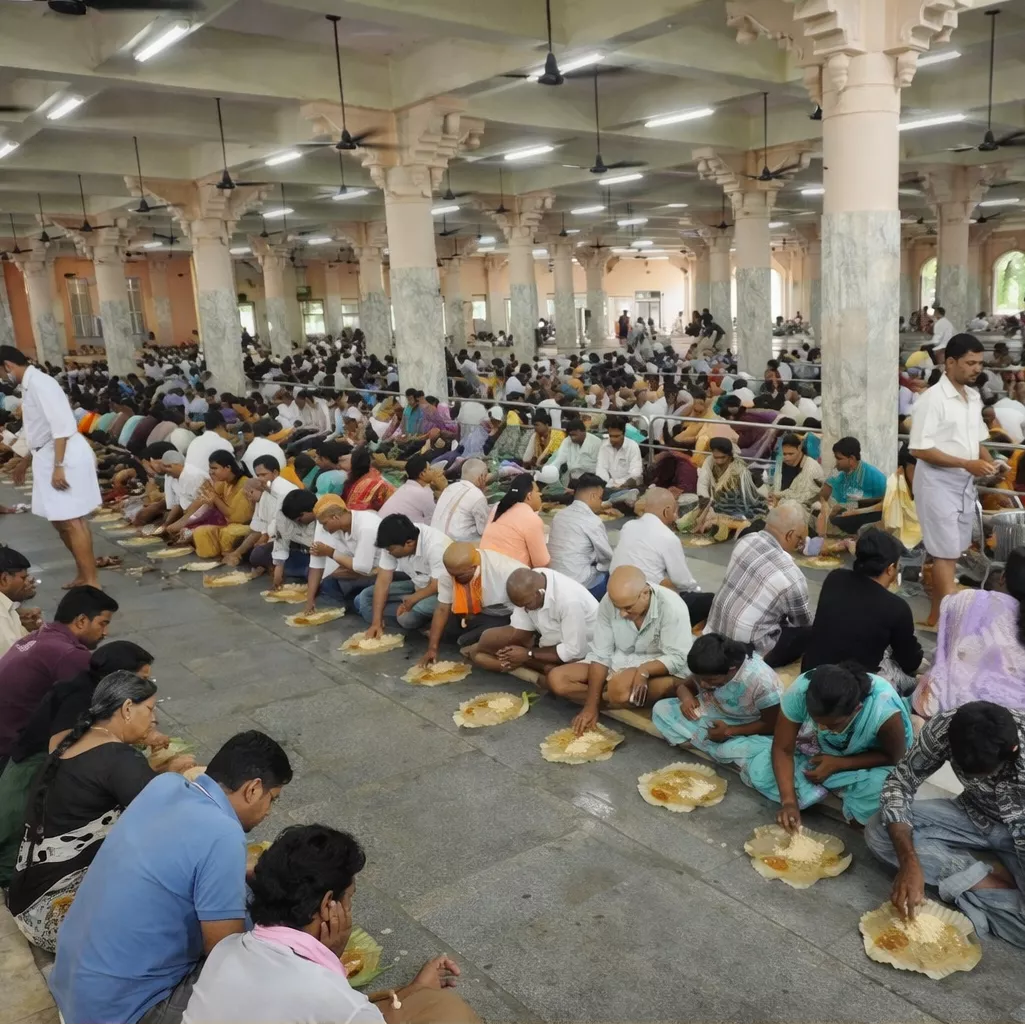
There are tales at the temple of feeding travelers in the middle of the night, of pilgrims reaching there exhausted and hungry and being given the wordless welcome. The Maha Shivaratri festival sees the temples filled with thousands of devotees, yet among the crowd, one always spots the little old man barely able to stand or a child who’s sleepy. Dharmasthala Manjunatha Temple is one of the most frequented pilgrimage sites in Hinduism in Karnataka, but the virtue of generosity still flows naturally.
The legend in the village speaks of the deity making the choice of the ones it will give protection to– mainly those who are in real need of help, not necessarily the richest or the most devout ones. Hence, people often have the feeling that the spiritual experience here is about the selfless attitude of giving and not the receiving sin of self-centeredness.
Hence, faith also shows up as action. Thousands eat daily meals. Hospitals run. Schools function. Volunteers move with purpose. During Maha Shivaratri, crowds swell, music rises, rituals intensify. One of the busiest Hindu pilgrimage sites in Karnataka, yet remarkably organised. Darshan timings are usually from 6 AM to 12 PM and 4 PM to 8 PM.
How Sringeri and Dharmasthala Preserve Karnataka’s Spiritual Heritage
Together, these two hold the extremes steady. Sringeri protects thought. Debate. Continuity of philosophy. Dharmasthala protects service. Community. Ethical action. Both safeguard the Karnataka spiritual heritage in different ways.
The role of temples in Karnataka culture becomes clear here. They aren’t relics. They adapt without diluting. The temple culture of Karnataka stays alive because it’s useful and relevant.
Pilgrims don’t just return with blessings. They carry back ideas from here. About discipline. About generosity. About balance.
Famous Temples in Karnataka That Strengthen Pilgrimage Culture
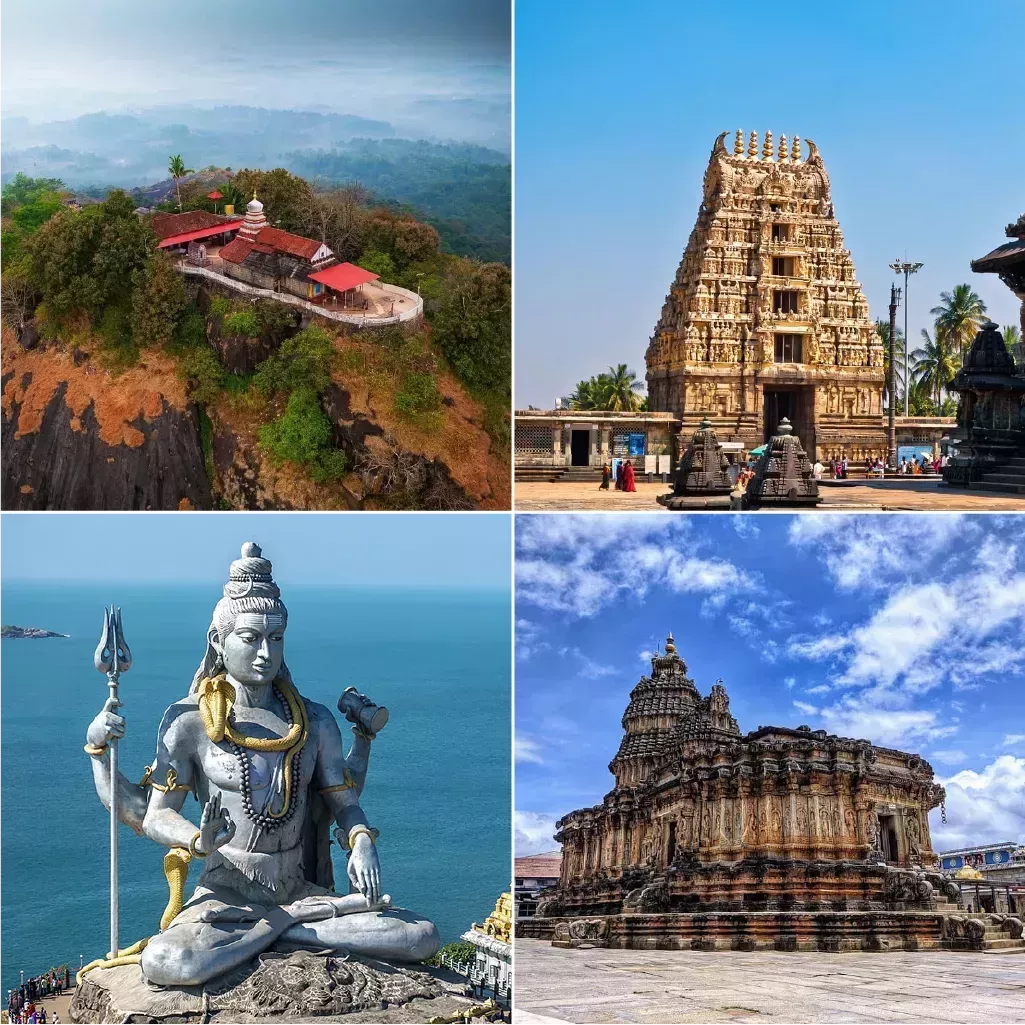
Take Chamundeshwari Temple, it’s commanding and visible. Or Udupi Sri Krishna Matha, where rituals dictate rhythm and silence arrives unexpectedly. These Hindu pilgrimage sites in Karnataka shape how devotion feels.
Beyond them lies the real pilgrimage circuit in Karnataka. Smaller hill temples. Forest shrines. Riverbank deities locals still acknowledge before starting a journey. Not Instagram friendly. Entirely authentic.
The Role of Temples in Karnataka Culture and Community Life
The role of temples in Karnataka culture includes employment, land management, dispute resolution, event planning, feeding towns. The temple culture of Karnataka operates systems.
Festivals alter traffic patterns. Businesses align calendars. Towns adjust sleep schedules. It’s messy. Loud. Sometimes tense. Hierarchies exist. Negotiations happen.
Yet, somehow, cohesion holds. Dharmasthala anchors morality. Sringeri anchors intellect. The temple remains the centre, whether acknowledged or not.
Religious Tourism in Karnataka and the Growth of Temple-Based Travel
Religious tourism in Karnataka rarely feels packaged. Families plan trips around darshan timings. Pilgrimage blends with hill stations or coastal detours. That overlap defines spiritual tourism in Karnataka.
Not everyone arrives religious. Some seek quiet. Some routine. Rituals offer predictability. Comfort. The state doesn’t oversell spirituality. Roads improve. Facilities grow. Temples stay by themselves. Earthy. Imperfect. Welcome.

Pilgrimage Circuit in Karnataka: Connecting Sringeri, Dharmasthala and Beyond
No one formally plans a pilgrimage circuit in Karnataka. It happens through suggestion. A priest mentions another temple. A driver recommends a detour. One stop becomes three.
Sringeri pulls inward. Dharmasthala pushes outward. Between them lie countless Hindu pilgrimage sites in Karnataka that exist more in habit than in brochures.
This circuit lives in memory. In repetition. In routes taken without explanation.
How Temple Tourism Shapes the Spiritual Landscape of Karnataka Today
Today’s spiritual landscape of Karnataka moves. Buses. Cars. Bare feet. Smartphones outside sanctums, never inside. Spiritual tourism in Karnataka has grown, but rituals haven’t changed for cameras.
Lines lengthen. Facilities modernise. Inside, time slows. Even the indifferent pause.
Temples near Chikmagalur aren’t a mere performance, they offer space, rhythm, and continuity in an ever-shifting world. People return because of that. Again. And again.
FAQ’s
1. Why is Sringeri Sharada Peetham important in Karnataka’s spiritual history?
One of the oldest Hindu philosophical institutions still in existence in India is Sringeri Sharada Peetham. It was founded by Adi Shankara in the eighth century and serves as the foundation for Advaita Vedanta in the state of Karnataka. It is still practiced today through study, debate, and austere spirituality.
2. What makes Dharmasthala Manjunatha Temple spiritually significant?
The Dharmasthala Manjunatha Temple is notable for its fusion of seva and bhakti. It is a temple that welcomes people of all faiths and has an extensive charitable program in place, making it a fitting example of how spirituality has been practiced in Karnataka.
3. Which are the most famous temples in Karnataka for pilgrims?
The most usually visited areas of pilgrimage are the Sringeri Sharada Peetham, Dharmasthala Manjunathswami Temple, Chamundeshwari Temple, Udupi Sri Krishna Mutt, Kukke Subramanya and the Hoysala temples etc.
4. How does religious tourism contribute to Karnataka’s cultural identity?
Instead of turning temple customs into rituals, religious tourism contributes to their preservation. This guarantees that temples continue to play a role in Karnataka’s daily life through events like festivals, the economy, eating customs, volunteer organizations, and public events.
4. What is included in the major pilgrimage circuit in Karnataka?
The general pilgrim journey is Sringeri Dharmasthala Kukke Subrahmanya Udupi Murudeshwar Chamundeshwari Temple in Karnataka. This path also leads to philosophy, worship, service and nature which gives an all-rounded view to the pilgrim.
